
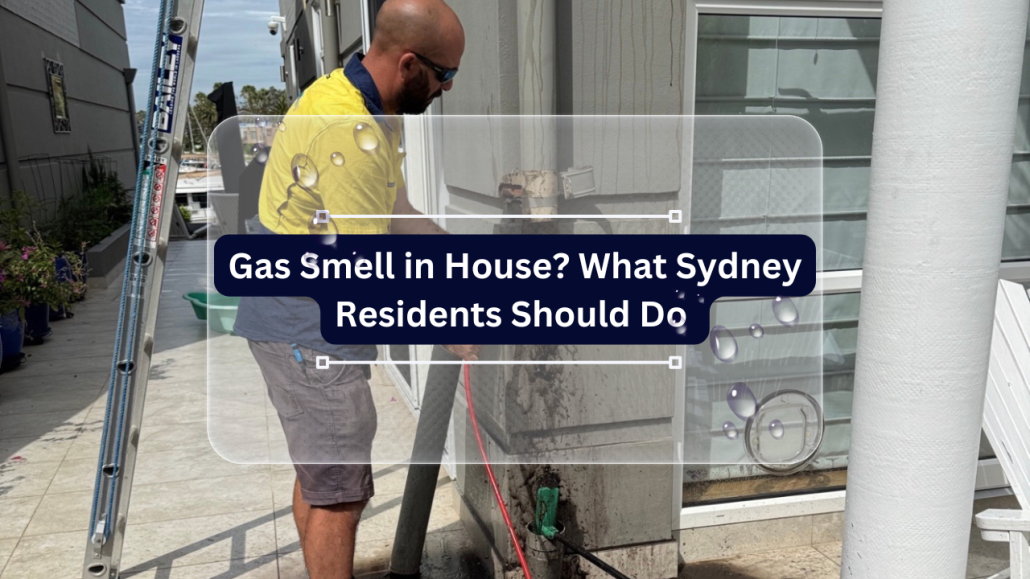
Gas Smell in House? What Sydney Residents Should Do | Complete Safety Guide
Have you ever walked through your front door after a long day, only to be struck by a strange, sharp odour? If you have noticed a gas smell in house environments, your mind probably races instantly. Is it an emergency? Did someone leave a stove burner cracked open? Is it coming from next door, or is there a dangerous pipe leak hidden behind your walls?
It is a deeply unsettling question that thousands of Australian homeowners ask every single year. This concern spikes significantly during the cooler winter months when gas heaters, hot water systems, and kitchen cooktops are working overtime. While not every unusual odour points to an immediate catastrophe, any unexplained gas smell must always be treated with absolute caution and urgency.
Natural gas and liquefied petroleum gas (LPG) are entirely colourless and, in their pure form, completely odourless. If a major leak developed inside an unventilated room, you would not be able to detect it visually or olfactory-wise until it reached hazardous concentrations. To counteract this, gas suppliers add a harmless chemical compound called mercaptan to the supply. Mercaptan releases an intensely distinct, pungent scent—widely described as rotten cabbage, sulfur, or rotten eggs—designed to alert you long before the air becomes dangerous.
Whether you smell gas inside house spaces, catch a smell gas outside house zones near your meter, or discover that your house smells like gas but no leak seems obvious, understanding the root causes empowers you to act quickly, protect your family, and prevent disaster.
Ignoring a gas smell is never worth the gamble. Even a minor, slow leak can elevate the risk of flash fires, structural explosions, expensive property damage, or chronic health issues if left unaddressed.
In this comprehensive guide, you will learn:
- Exactly what causes a gas smell in residential properties
- Step-by-step instructions on what to do immediately if you suspect a leak
- The crucial warning signs that signal an absolute emergency
- Why some homes smell like gas even when technicians find no leak
- The distinct differences between natural gas and sewer gas
- Practical prevention tips to keep your household safe year-round
Whether you reside in the historic terraces of Sydney’s Inner West, a modern apartment in Western Sydney, Melbourne, Brisbane, Perth, Adelaide, or regional Australia, these vital safety principles apply to every homeowner.
Why Does My House Smell Like Gas?
When your house smells like gas, your instincts are immediately put on high alert. There are several potential explanations behind the odour, ranging from minor, temporary quirks to critical infrastructure failures requiring immediate intervention from a licensed gas professional.
To help you categorize what you might be experiencing, consider this breakdown of potential sources and associated risk levels:
| Possible Cause | Risk Level | Action Needed |
| Loose appliance connection | High | Turn off gas supply and call a licensed plumber |
| Damaged or corroded gas pipe | Very High | Evacuate the property immediately |
| Faulty or unlit gas heater | High | Stop using the appliance immediately |
| Gas cooktop burner valve issue | Medium | Arrange a professional inspection |
| Recently installed gas appliance | Low to Medium | Monitor closely to see if the smell dissipates quickly |
| Sewer gas entering the home | Medium | Investigate plumbing system and drain traps |
While many people automatically assume that every single hint of gas points straight to a catastrophic pipe rupture, there are instances where other household factors are at play. However, because the stakes are so high, it is never safe to guess or make assumptions. If you are uncertain about the source, always have your property’s gas system evaluated by a certified technician.
Is Every Gas Smell Dangerous?
The short answer is no—not every single trace of gas means your house is about to face an emergency, but you should always treat it as one until proven otherwise.
Sometimes, homeowners notice a brief, fleeting gas smell during specific routine actions, such as:
- Lighting an older gas stove or oven
- Ignition lag on a wall-mounted gas room heater
- Firing up an outdoor backyard barbecue
- Changing over an outdoor gas bottle cylinder for a patio heater
A short-lived smell that lasts for only two or three seconds during standard ignition can sometimes be considered normal residual gas burning off. However, if you find that i can smell gas in my house continuously, or if the chemical odour grows progressively stronger over minutes and hours, you must treat it as a critical emergency.
A Simple Rule to Remember
| Situation | Recommended Action |
| Smell disappears within a few seconds | Monitor the area carefully |
| Smell becomes stronger over time | Shut off the main gas supply |
| Smell detected throughout the entire house | Evacuate immediately |
| Smell causing headaches or dizziness | Leave the property and seek medical help |
| Distinct hissing sound near a pipe or meter | Immediate emergency response required |
What Should You Do If You Smell Gas in Your House?
Discovering a gas smell in house australia properties can easily induce panic. However, keeping a level head and executing a structured safety checklist minimizes risk and protects everyone inside.
Step 1: Stay Calm
Panic clouds judgment and leads to rushed, dangerous decisions. Take a deep breath and focus entirely on systematic safety protocols.
Step 2: Do Not Create Sparks
Escaping gas combined with oxygen creates a highly volatile mixture. Avoid anything capable of producing even a microscopic electrical or thermal spark. Specifically, do not:
- Turn light switches on or off
- Use electrical appliances or power points
- Charge your mobile phone indoors
- Light candles, matches, or lighters
- Smoke cigarettes or cigars
- Start a vehicle engine inside an attached garage
Even a tiny click from a refrigerator turning on or a light switch toggling can provide enough energy to ignite pooled gas.
Step 3: Turn Off the Gas Supply
If you can safely reach your main gas meter without walking through an intensely concentrated hazard zone, turn off the main isolation valve. Every adult household member should know where the meter is located and how to turn the lever 90 degrees across the pipe to halt the supply.
Step 4: Open Doors and Windows
Maximizing cross-ventilation helps clear out lighter-than-air natural gas before it can pool in low points or enclosed pockets. Only attempt this if windows and doors are easily accessible without exposing yourself to heavy gas fumes.
Step 5: Leave the Property
If the smell is persistent or widespread, evacuate all occupants immediately. This includes children, elderly family members, and household pets. Move to a safe distance upwind and away from the building before making any phone calls.
Step 6: Contact Your Gas Distributor or a Licensed Gas Plumber
Never try to patch gas lines with DIY tapes or makeshift fixes. Licensed professionals utilize specialized electronic sniffing equipment and pressure-testing gauges to track down hidden leaks safely.
Warning Signs That Require Immediate Action
A gas leak does not always announce itself solely through a distinct rotten-egg scent. Homeowners should look and listen for a range of secondary warning signs.
Inside the Home
- Persistent rotten egg or sulfur smell
- Audible hissing, whistling, or blowing sounds near appliances or wall cavities
- Pilot lights that blow out repeatedly or refuse to stay lit
- Yellow or orange flames on your cooktop instead of a healthy, steady blue flame
- Unexplained condensation forming heavily on nearby windowpanes
- Indoor house plants mysteriously wilting and dying
- Sudden, unexplained physical symptoms like dizziness, nausea, fatigue, or chronic headaches
Outside the Home
- Water bubbling continuously in puddles or damp patches in your yard
- Unexplained dead patches of grass or vegetation over underground service lines
- Faint hissing sounds near outdoor ground pipes or meter enclosures
- Dust or dirt blowing up from a specific patch of earth outdoors
- An intense, overwhelming gas smell lingering directly around your external gas meter
If you notice that i smell gas outside my house, do not attempt to dig up the yard or inspect underground connections yourself. Natural gas can travel underground through soil fissures before venting to the surface some distance away from the actual fracture.
Common Causes of a Gas Smell in House
Gaining an understanding of what triggers gas odours helps you communicate clearly with maintenance professionals and keeps your household aware of vulnerable areas.
1. Loose Appliance Connections
Over months and years, thermal expansion, structural vibrations, and normal household wear can cause flexible connectors and threaded fittings to loosen. This frequently happens behind kitchen cooktops, freestanding ovens, instantaneous hot water systems, and room heaters. Even a micro-gap in a fitting can continuously bleed mercaptan-laden gas into your indoor air.
2. Ageing and Corroded Gas Pipes
Many established homes feature older galvanized steel or aging copper gas distribution lines. As pipes age past their design life, micro-fractures, thread corrosion, and joint deterioration increase the likelihood of leaks. Properties over 30 years old benefit immensely from routine preventative gas safety audits.
3. Faulty or Neglected Gas Appliances
When a gas appliance lacks regular servicing, it may fail to achieve complete combustion. Signs of this include black soot deposits building up around burners, lazy yellow flames, popping noises during operation, and a persistent background gas smell. Annual professional tune-ups keep burners clean and safe.
4. Damaged Flexible Gas Hoses
Many modern appliances utilize flexible stainless steel braided hoses for easy installation. However, these hoses can become damaged due to moving heavy appliances during cleaning, rodent activity in subfloors, excessive heat exposure, or physical pinching. Damaged lines must be replaced immediately.
5. Gas Meter and Regulator Issues
Though managed primarily by utility providers up to the meter outlet, external components like regulator diaphragms or meter valves can experience wear over time. If you suspect an issue right at the meter, contact your distributor immediately.
Why Fast Action Matters
Some homeowners hesitate to call a certified professional because the initial smell seems minor or fades away temporarily. Unfortunately, gas leaks never fix themselves; instead, minor issues almost always escalate into major hazards over time.
Possible Consequences of Ignoring a Gas Smell
| Consequence | Possible Impact |
| Severe Fire | Catastrophic structural property damage |
| Explosion | Extreme risk of serious injury or fatality |
| Carbon Monoxide Exposure | Severe, life-threatening health complications |
| Structural Damage | Extremely expensive emergency repairs and restoration |
| Insurance Complications | Potential claim denials due to negligence or delayed reporting |
| Total Appliance Failure | Costly equipment replacements |
The financial cost of scheduling a routine plumbing inspection is negligible when compared against the devastating price of repairing extensive explosion damage or replacing destroyed structural elements.
Indoor vs Outdoor Gas Smells
Many property owners wonder if there is a distinct difference between detecting gas indoors versus outdoors. The answer heavily impacts your urgency level.
Indoor gas leaks require immediate evacuation and shut-off protocols because enclosed living spaces trap escaping gas, quickly raising the concentration to explosive thresholds. Outdoor gas smells, while less immediately confined, still signal compromised service lines, damaged meters, or underground pipe stress that requires professional reporting.
Comprehensive Comparison Table
| Situation | Risk Level | Recommended Action |
| Strong smell throughout the entire house | Very High | Evacuate immediately and shut off main valve |
| Localized smell confined to a single room | High | Stop using nearby appliances and ventilate |
| Strong chemical smell near the gas meter | High | Contact your utility gas distributor |
| Faint gas smell near the street boundary | Medium to High | Report it promptly to local network providers |
| Brief, momentary smell while lighting a stove | Low | Monitor carefully to ensure it does not recur |
| Continuous, heavy outdoor gas smell | High | Arrange an immediate professional inspection |
Can It Be Sewer Gas Instead?
One of the most frequent points of confusion for homeowners is mixing up a natural gas leak with a sewer gas smell in house environments. While both odours share a heavy sulfur or rotten egg profile, their origins and safety implications are entirely distinct.
Natural Gas Characteristics
Supplied via utility mains or bottles to fuel active heating, cooking, and hot water appliances. Suppliers infuse it with mercaptan so that even a minute smell of gas in house spaces acts as an immediate warning beacon.
- Typical scent: Sharp chemical rotten eggs, sulfur, pungent gas odor
- Primary causes: Defective pipe joints, damaged flexible hoses, unlit appliance pilots, or loose meter connections
Sewer Gas Characteristics
Originates directly from your home’s wastewater drainage, plumbing stacks, and sewer connection lines. It typically enters living areas when plumbing traps dry out or seals fail.
- Typical scent: Decaying organic matter, raw sewage, stagnant swamp odour, mixed sulfur notes
- Primary causes: Dry floor waste traps in unused bathrooms, cracked PVC drain lines, blocked roof vent pipes, or damaged toilet wax rings
While sewer gas does not present the same acute explosive hazard as natural gas, breathing it in can cause headaches, nausea, and indicates underlying plumbing failures that require prompt remediation.
Why Your House Smells Like Gas but No Leak Is Found
One of the most perplexing and frustrating scenarios a homeowner can experience is noticing a strong gas odour, calling out a licensed technician with high-end diagnostic gear, and hearing the words: “We couldn’t find a leak.”
If your house smells like gas but no leak is identified during testing, it does not mean your nose was lying. There are several very real reasons why this phenomenon occurs:
- A Temporary Gas Release Event: Certain legacy gas appliances release a micro-puff of unburnt gas during initial ignition sequences. If it clears instantly, it may be benign, but ongoing occurrences demand further checks.
- Intermittent Leaks: Not all leaks are constant. Some micro-fractures only open up when metal components expand under high operating temperatures or when gas pressure fluctuates during peak evening hours.
- Recently Installed Appliances: Brand-new cooktops or heaters often feature protective manufacturing oils and factory coatings that bake off during their first few operating cycles, producing a temporary chemical smell.
- External Neighborhood Utility Work: Gas distribution companies routinely perform maintenance on underground municipal mains nearby, sending outdoor gas odours drifting across multiple residential yards.
- Alternative Olfactory Triggers: Household cleaning solvents, oil-based paints, aerosol hairsprays, stored automotive fuels, or decomposing organic matter trapped inside wall cavities can easily trick your senses into registering a false gas scent.
Prevention Tips for Homeowners
Proactive home maintenance is infinitely easier and cheaper than reacting to a middle-of-the-night emergency. Implement these best practices to keep your Sydney property secure:
- Schedule Annual Gas Servicing: Hire a licensed gas fitter to inspect and tune your gas heaters, hot water units, and cooktops every 12 months.
- Know Your Gas Meter Location: Ensure every adult in your household knows precisely where the main meter box is situated and how to isolate the gas supply in a crisis.
- Never Ignore Odd Appliance Behavior: Call for help immediately if you notice yellow burner flames, soot buildup, or pilot lights that refuse to stay lit.
- Keep Vents Clear: Never block wall vents, return air grilles, or window clearances with furniture, storage boxes, or heavy curtains.
Frequently Asked Questions:
What should I do if I smell gas in my house?
Leave the area immediately if the smell is strong, avoid using electrical switches or flames, turn off the gas supply if it is safe to do so, and contact your gas supplier or a licensed gas plumber.
Is it dangerous to smell gas inside the house?
Yes. A persistent gas smell in house environments may indicate a leak, increasing the risk of fire, explosion, or health problems. It should always be investigated promptly.
Why does my house smell like gas but no leak was found?
Possible reasons include intermittent leaks, appliance ignition, nearby utility work, or another odour such as sewer gas that resembles natural gas. If the smell continues, arrange a detailed inspection.
Can sewer gas smell like natural gas?
Yes. Sewer gas often has a rotten egg smell similar to natural gas, but it comes from the drainage system rather than the gas supply. A professional can determine the source.
Is it safe to stay in a house that smells like gas?
If the smell is strong or persistent, leave the property immediately and contact the appropriate emergency service or gas supplier. Do not remain inside while trying to locate the source.
Why do I smell gas outside my house?
Outdoor gas smells may come from underground gas pipes, gas meters, nearby maintenance work, or neighbouring properties. Any persistent outdoor gas smell should be reported.
Conclusion
A gas smell in house locations is never something to take lightly or dismiss as background noise. Whether the scent stems from a faulty kitchen appliance, a degrading pipe joint, or an external source, taking swift, decisive action is always the smartest path forward.
If you have been wondering what to do if i smell gas in my house, remember to remain calm, eliminate potential ignition sparks, ventilate the rooms safely, evacuate if concentrations are high, and reach out to certified professionals. When dealing with gas systems, prioritizing vigilance and preventative maintenance ensures your home remains a safe, comfortable haven for you and your family all year round.
Thank you for reading. For professional plumbing services, trust PJN Plumbing.